Pharmacology
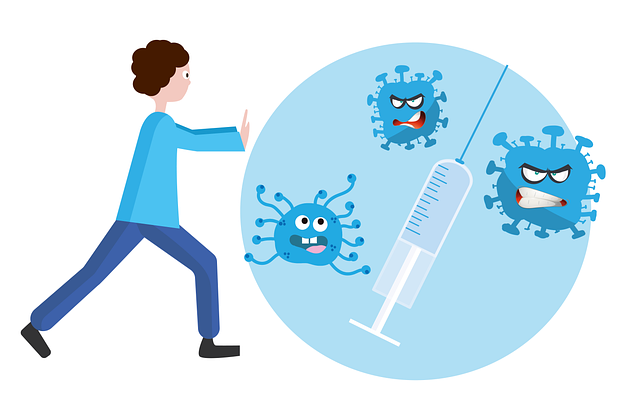
The field of biomedical research that focuses on the origins, compositions, effects, modes of action, and therapeutic applications of pharmaceuticals is called pharmacology.
Pharmacokinetics, which studies how medications are absorbed, distributed, metabolised, and eliminated by the body.
Pharmacodynamics, which studies how drugs interact with biological systems to generate effects, are its two primary subfields. By bridging the fields of chemistry, biology, and medicine, pharmacology makes it possible to create novel illness treatments. It is necessary to ensure the safety and efficacy of medications. Chemists create new drugs, adjust doses, and look at adverse effects to improve patient care and advance medical research.
- Pharmacodynamics: Principles of Drug Action, Mechanisms of Drug Action and Theories Behind Drug-Receptor Action
 Pharmacodynamics in Simple Terms Pharmacodynamics is a branch of pharmacology that focuses on what a drug does to the body.… Read more: Pharmacodynamics: Principles of Drug Action, Mechanisms of Drug Action and Theories Behind Drug-Receptor Action
 - Drug Clearance
 Drug Clearance When administering any medication, it’s crucial to understand how the body handles that drug to ensure it works… Read more: Drug Clearance
 - Pharmacokinetics: Drug Excretion
 Pharmacokinetics: Drug Excretion The study of how drugs move through the body. Once a drug has been absorbed into the… Read more: Pharmacokinetics: Drug Excretion
 - Pharmacokinets: Drug metabolism or Drug Biotransformation
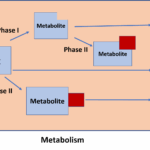 Pharmacokinets: Drug metabolism or Drug Biotransformation Introduction to Biotransformation or Drug Metabolism Drug metabolism, or Biotransformation, is the biochemical process… Read more: Pharmacokinets: Drug metabolism or Drug Biotransformation
 - Pharmacokinetics: Drug Distribution
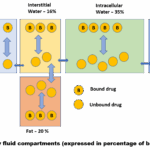 Pharmacokinetics: Drug Distribution Drug distribution refers to the process by which a drug reversibly leaves the bloodstream and enters the… Read more: Pharmacokinetics: Drug Distribution
 - Pharmacokinetics: Drug Absorption, Bioavailability and Bioequivalence
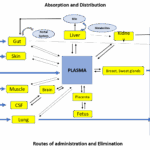 Pharmacokinetics: Drug Absorption, Bioavailability and Bioequivalence Drug Absorption and Bioavailability – Explained Simply When you take a medicine, it needs… Read more: Pharmacokinetics: Drug Absorption, Bioavailability and Bioequivalence
 - Pharmacokinetics: Membrane Transport
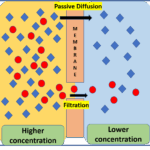 Pharmacokinetics: Membrane Transport Pharmacokinetics is the branch of pharmacology that studies how drugs move through the body. It covers how… Read more: Pharmacokinetics: Membrane Transport
 - General concepts and definitions of Pharmacology
 Pharmacology Pharmacology is the study of drugs, which comes from the Greek terms Pharmacon (drug) and logos (discourse). It is… Read more: General concepts and definitions of Pharmacology
 - Definition, Branches, Applications, Scope, and Job opportunities of Pharmacology
 The scientific discipline of pharmacology studies medications and how they affect living things. It investigates the ways in which drugs… Read more: Definition, Branches, Applications, Scope, and Job opportunities of Pharmacology